

What Are the Benefits of Liposuction for Men?
Liposuction is a body contouring procedure that removes stubborn fat deposits from specific areas of the body. For men who maintain a healthy lifestyle but struggle with unwanted fat around the abdomen, waist, or chest, liposuction may help create a more balanced and defined appearance. At Dr. Miami Beach in Miami Beach, FL, our experienced team provides personalized liposuction consultations for men seeking improved body contours. For more information, please contact us or schedule an appointment online. We are conveniently located at 400 W. 41St Street, Suite #412, Miami Beach, FL 33140.
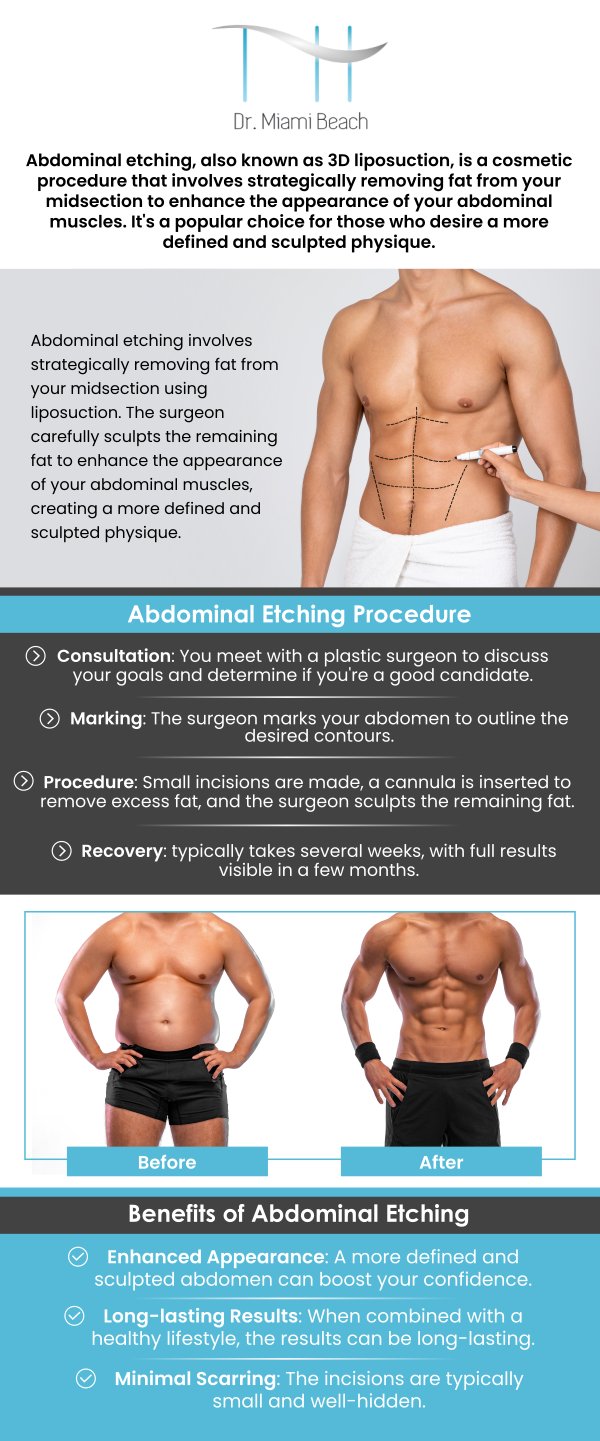
Table of Contents:
What are the main benefits of liposuction for men?
How does liposuction improve abdominal and waistline definition?
Which areas of the male body can be treated with liposuction?
Who is a good candidate for male liposuction?
How long do liposuction results last?
What should patients know about liposuction safety and possible complications?
What is the recovery process like after liposuction?
Frequently asked questions about liposuction recovery and side effects
Consider personalized liposuction with Dr. Tarik Husain in Miami Beach, FL
Liposuction offers several potential benefits for men who have localized fat deposits that remain resistant to diet and exercise. Genetics, aging, and natural fat distribution can make certain areas more difficult to reshape through lifestyle changes alone.
Some of the main benefits include:
• Improved abdominal definition: Removing excess fat may make existing abdominal contours more noticeable.
• Reduced love handles: Targeting fat around the flanks can create a more proportionate waistline.
• Better body proportions: Liposuction can help improve the balance between the abdomen, waist, and surrounding areas.
• Targeted fat removal: Treatment focuses on selected fat deposits without requiring significant overall weight loss.
• Long-lasting contour changes: Removed fat cells are permanently eliminated, although remaining fat cells can enlarge with weight gain.
• Improved body confidence: Some patients feel more comfortable with their appearance after achieving their desired contour improvements.
Results vary depending on individual anatomy, skin elasticity, and lifestyle habits. Liposuction does not build muscle, eliminate loose skin, or replace healthy eating and regular exercise.
The abdomen and waist are among the most common areas men choose for liposuction. Even individuals who exercise regularly may have fat deposits that cover natural muscle definition.
Liposuction removes selected fat layers beneath the skin, potentially creating a flatter abdominal profile and a more defined waistline. When performed appropriately, the procedure can improve the visibility of existing muscle contours without changing the underlying muscles.
Dr. Tarik Husain also has experience with high-definition abdominal contouring, including the Spartan Abs approach. During a consultation, he can evaluate whether traditional liposuction or more detailed body contouring techniques align with the patient’s anatomy and expectations.
Removing excessive amounts of fat can increase the risk of uneven contours, making careful treatment planning essential.
Liposuction can address several body areas where localized fat affects overall proportions. Common treatment areas include the abdomen, flanks, lower back, chest, thighs, upper arms, and beneath the chin.
For men concerned about chest fullness, it is important to determine whether the condition involves excess fat, enlarged glandular tissue, or both. Gynecomastia involving glandular tissue may require an approach beyond liposuction alone.
Dr. Husain evaluates the location and characteristics of unwanted fat to determine which areas may benefit from treatment. Not every area is suitable for liposuction, particularly when significant skin laxity or other anatomical concerns are present.
Men who are close to a stable, healthy weight, have localized fat deposits, and maintain realistic expectations may be suitable candidates for liposuction.
Good skin elasticity is particularly important because the skin needs to adjust after the underlying fat is removed. Individuals with substantial loose skin may require another procedure to achieve their desired appearance.
During a consultation at Dr. Miami Beach, Dr. Husain reviews medical history, current medications, previous procedures, lifestyle factors, and treatment expectations. Certain health conditions, smoking, or an increased risk of surgical complications may affect eligibility.
Liposuction is not intended to treat obesity or remove visceral fat surrounding internal organs. A thorough evaluation helps determine whether the procedure is medically appropriate.
Liposuction permanently removes a portion of the fat cells from treated areas. However, the procedure does not prevent future weight gain or changes in body composition.
Maintaining a stable weight through balanced nutrition and regular physical activity can help preserve the improved contours. Significant weight fluctuations, aging, and changes in skin elasticity may influence results over time.
Swelling can temporarily obscure the final appearance. Although some improvements become visible within several weeks, the treated areas may continue to settle for several months.
Patient safety is an essential part of planning any cosmetic surgical procedure. Although liposuction is commonly performed, it involves medical risks that patients should understand before making a treatment decision.
Potential complications include bleeding, infection, fluid accumulation, uneven contours, prolonged swelling, changes in skin sensation, and adverse reactions to anesthesia. Rare but serious complications may include blood clots, fat embolism, and internal tissue damage.
Before treatment, Dr. Husain can assess relevant medical conditions, medications, smoking status, and other factors that may influence surgical risk. Patients should disclose their complete medical history and follow all preoperative and postoperative instructions.
After surgery, sudden chest pain, difficulty breathing, fainting, or coughing blood requires emergency medical attention. Increasing redness, fever, worsening pain, unusual drainage, or significant leg swelling should also be evaluated promptly.
Careful patient selection, realistic surgical goals, and appropriate postoperative monitoring are important for reducing avoidable risks.
Recovery depends on the treatment areas, amount of fat removed, and individual healing response. Swelling, bruising, tenderness, and temporary numbness are common during the first several days.
Patients may be instructed to wear compression garments to manage swelling and support healing tissues. Light walking is often encouraged when medically appropriate, while strenuous exercise and heavy lifting may need to be avoided for several weeks.
Many patients can resume light activities within several days to two weeks, although extensive procedures may require longer recovery. Residual swelling can continue for months, and final results develop gradually.
Following Dr. Husain’s postoperative recommendations and attending scheduled follow-up appointments can support safer healing.
How long does swelling last after liposuction?
Swelling is usually most noticeable during the early recovery period and gradually improves over several weeks. Mild residual swelling may continue for three to six months or longer. Compression garments may help manage swelling when used as directed.
What are the most common side effects of liposuction?
Common side effects include bruising, swelling, soreness, temporary numbness, and localized firmness. These symptoms generally improve as healing progresses. Persistent numbness, contour irregularities, infection, and fluid collections are possible complications that may require additional evaluation.
When can men return to exercise after liposuction?
Light walking may be encouraged shortly after surgery, depending on medical recommendations. More demanding activities, including weight training and abdominal exercises, often require several weeks of recovery. Patients should receive clearance from Dr. Husain before resuming strenuous workouts.
Can liposuction cause loose skin or uneven contours?
Yes. Patients with reduced skin elasticity may experience loose or irregular-looking skin after fat removal. Uneven fat removal and individual healing differences can also contribute to contour irregularities. A preoperative assessment helps identify these risks.
How can patients support a safe recovery after liposuction?
Following postoperative instructions, avoiding nicotine, wearing compression garments as prescribed, staying hydrated, and gradually resuming physical activity can support recovery. Patients should report unusual symptoms promptly and avoid unapproved medications, supplements, or postoperative treatments.
Liposuction can help improve body contours by addressing stubborn fat deposits that remain despite healthy lifestyle habits. However, successful treatment planning requires consideration of individual anatomy, realistic expectations, and surgical safety.
At Dr. Miami Beach, Dr. Tarik Husain, MD, FACS, provides personalized consultations to help men understand their body contouring options, potential benefits, recovery considerations, and possible risks.
Patients interested in male liposuction can schedule a consultation with Dr. Husain in Miami Beach, FL, to discuss whether the procedure is appropriate for their individual goals. For more information, please contact us. We are conveniently located at 400 W. 41St Street, Suite #412, Miami Beach, FL 33140. We serve patients from Miami Beach FL, Miami FL, Brickell FL, Bay Harbor Islands FL, Coral Gables FL, Sunny Isles FL, Key Biscayne FL, and the surrounding areas.
Check Out Our 5 Star Reviews


Additional Services You May Need

Additional Services You May Need
• Male Abs (Spartan Abs)
• BBL (Miami Butt Lift)
• Liposuction
• Mommy Makeover
• Jaw Tightening (Spartan Neck)
• Female Abs (Pilates Abs)™
• Facelift
• Wrinkle Relaxers
• Neurotoxins



 Send Text
 How May I Help You?


